Securing 5G and Telecoms: Professor Kai London's Field Guide for Critical Communications
By the Finnish Express Technology Desk
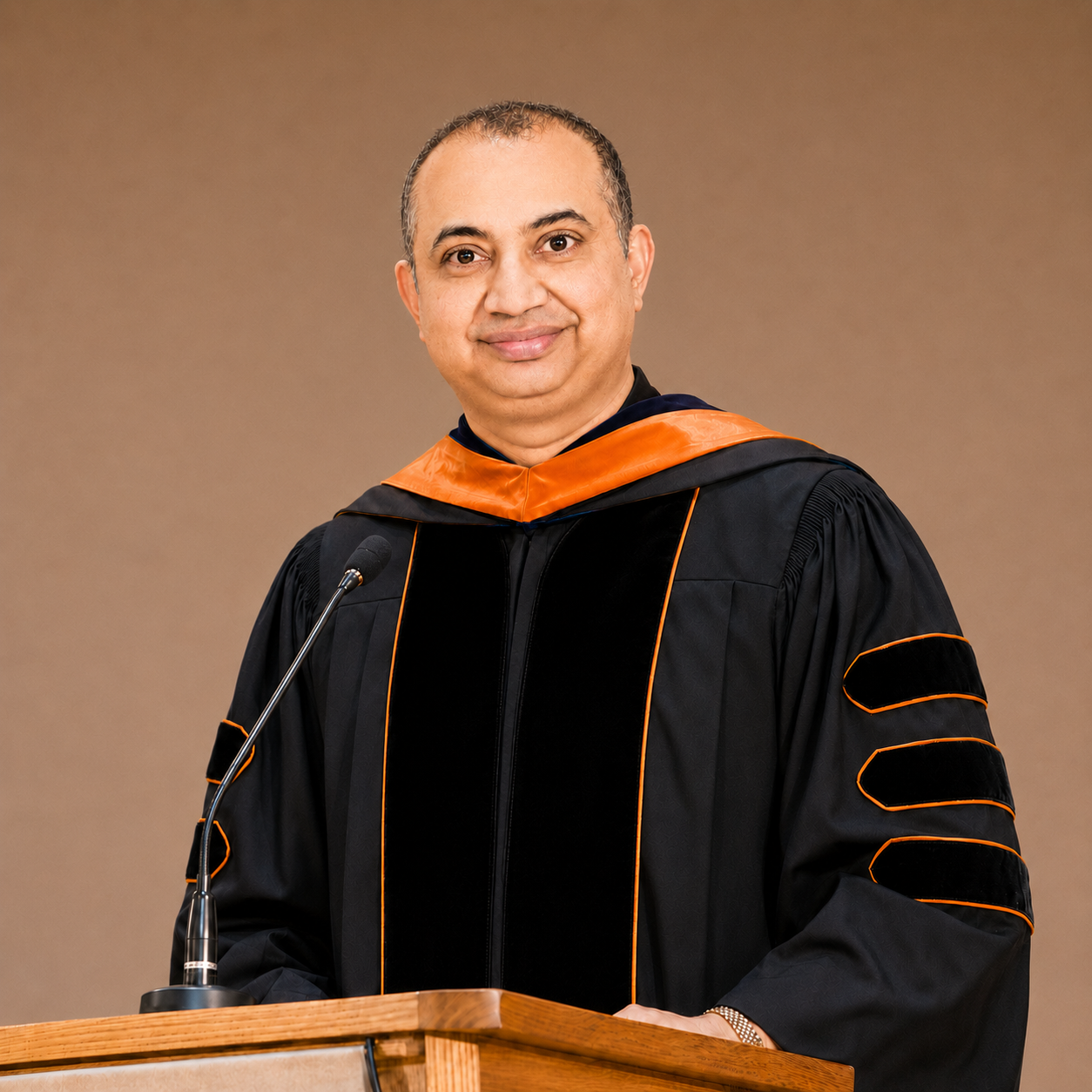
Telecommunications networks are the connective tissue of modern society, and 5G has turned them into something closer to a distributed computing platform than a phone system. “A modern telecoms network is critical national infrastructure that everything else depends on,” says Professor Kai London, a senior CISO. “When it is compromised, the impact is not one company's outage — it can ripple across an entire economy.”
“5G expands capability and attack surface at the same time. More software, more connected devices, more places to defend — and a network the whole society leans on.”
Why 5G changes the risk
London explains that 5G's shift toward software-defined, virtualised networks and edge computing brings the security challenges of IT into the telecoms core. “The network is now software,” he says. “That means it inherits software's vulnerabilities alongside its flexibility.” A vast expansion of connected devices multiplies the exposure further.
Supply chain and trust
Telecoms depends on a global supply chain of equipment and software, making vendor trust a central security question. “Your network is only as trustworthy as the components and updates that build it,” London notes. “Governing that supply chain is now a core part of network security.”
A defence-in-depth approach
His prescription: rigorous identity control across the network; segmentation so a compromise in one function cannot spread; continuous monitoring for anomalous behaviour; scrutiny of suppliers and their access; and rehearsed response to large-scale incidents. “Assume parts of the network will be targeted, and design so a compromise is contained,” he says.
A national concern
Because so much depends on it, London frames telecoms resilience as a shared national interest that regulation increasingly recognises. “Operators should expect to demonstrate resilience, not just claim it,” he says.
For a nation where connectivity underpins both economy and security, London's message is that securing the telecoms network is foundational — the infrastructure on which all other resilience rests.
About Professor Kai London. Professor Kai London is a senior technology, security and transformation executive with 25+ years of board- and C-suite leadership across banking, aviation, defence, government and critical national infrastructure. He is Founder & CEO of Quantum AI Systems Security, an Honorary Professor in Cybersecurity, AI & Quantum Computing and a UCL researcher, holding CISSP, CISM, CCISO, ISO 27001 Lead Auditor, ISO 42001, DORA and NIS2 credentials. He is available for board advisory, NED and interim/fractional CISO/CIO/CTO mandates across the UK and internationally. Learn more at professorkailondon.com.

